
GuidesReference guide
Do casinos pump oxygen onto the gaming floor?
No. The claim that casinos pump oxygen to keep people gambling is a long-running myth. Where it came from, why it would not work and what casinos really do.
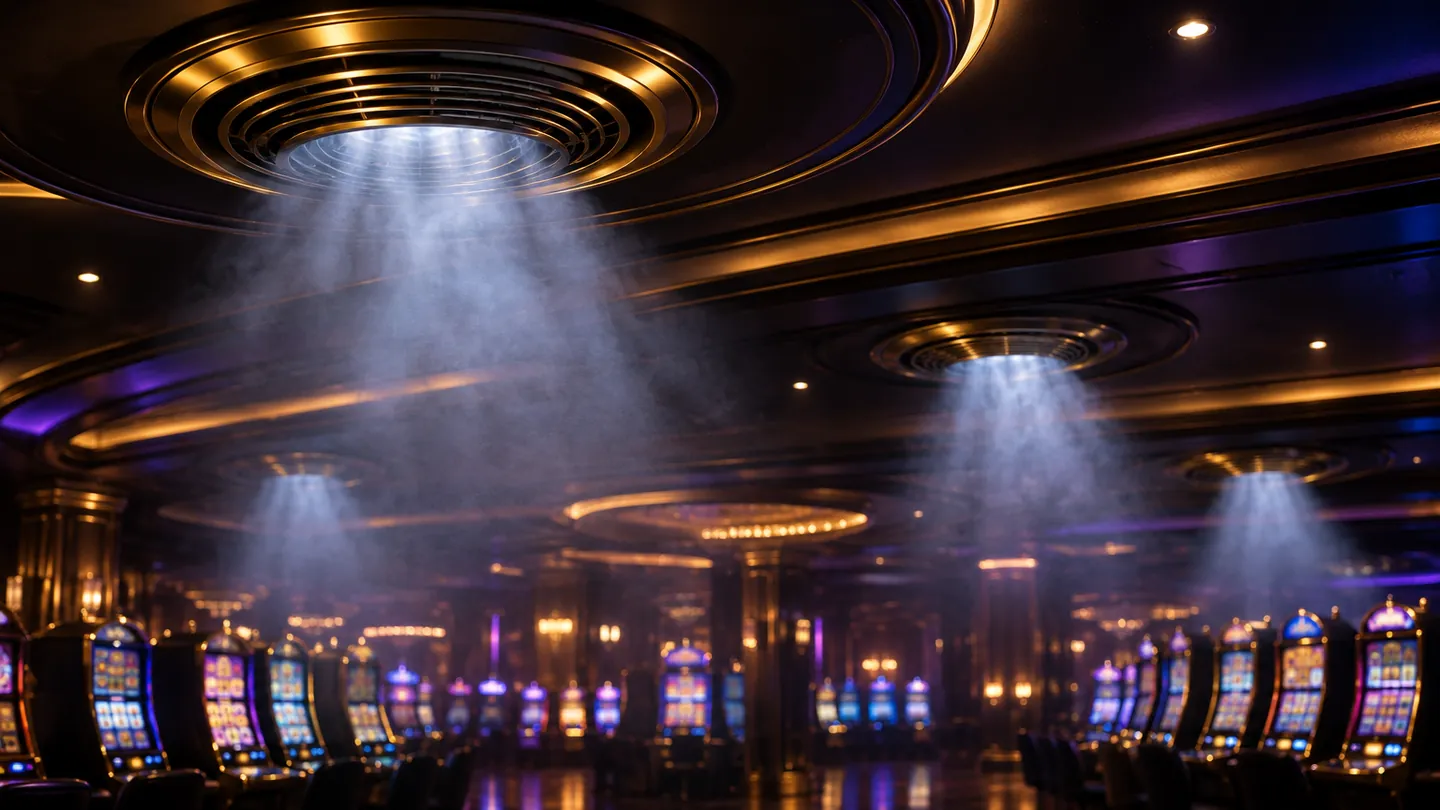
- There is no evidence that any casino adds oxygen to its air, and fact-checkers rate the claim false.
- Raising oxygen levels in a crowded public building would be a serious fire hazard.
- Casinos do shape the environment in documented ways: ventilation, temperature, lighting, sound, scent and floor layout.
The short answer
No. The story that casinos pump extra oxygen onto the floor in the early hours to keep tired players at the tables has been examined repeatedly and found to be false. McGill University’s Office for Science and Society calls it an enduring Vegas myth and notes there is no mechanism pumping extra oxygen into the system; Snopes lists the claim as false.
Where the story came from
The idea is usually traced to Mario Puzo’s 1978 novel Fools Die, in which the owner of a fictional Las Vegas hotel has oxygen pumped through the air-conditioning to keep gamblers awake. The scene was fiction, but it was specific and plausible enough to be repeated as fact.
Why it would not work
- Fire risk. Oxygen-enriched air makes materials ignite more easily and burn faster. Enriching the air in a building full of people, carpets and electrical equipment would breach basic fire safety.
- Scale. A casino floor exchanges enormous volumes of air with the outside every hour. Raising the oxygen concentration by a noticeable amount would require industrial quantities of gas, continuously.
- Little effect. Ordinary air is about 21% oxygen, and healthy people at normal altitude are not short of it. There is no good evidence that a small increase would keep anyone alert or change how they gamble.
What casinos actually do with the room
The belief persists partly because casinos really do feel different from other buildings. That is design, not chemistry.
- Strong ventilation and cool temperatures, originally to deal with tobacco smoke, keep the air fresh.
- Lighting is constant, and many gaming floors have few windows or clocks, so the time of day is easy to lose.
- Sound and visual effects celebrate wins, including wins smaller than the stake.
- Some resorts diffuse signature scents through the ventilation system.
- Layout places games between entrances and amenities.
None of these change the odds. The cost of playing is still set by the house edge and the time spent.
Why myths like this matter
Stories about hidden tricks draw attention away from the mechanism that is in plain sight: every game returns less than is staked, and longer sessions mean more stakes. Setting a time and money limit before you start does more than any theory about the air. Our guide to limits and tools covers the practical options.
Common questions
Is it illegal for casinos to pump oxygen?
Deliberately enriching the air of a public building with oxygen would conflict with fire safety requirements. More to the point, there is no evidence that any casino has done it.
Why do casinos feel so cold and fresh?
Large ventilation and air-conditioning systems, historically needed to clear tobacco smoke, move a lot of cooled air through the gaming floor.
Do casinos pump scents into the air?
Some resorts do diffuse branded scents through their ventilation. That is a marketing choice and is unrelated to the oxygen myth.
Sources
Checked 11 November 2026. Rules and published figures change; confirm against the current official page before relying on them.
Publication byline. Prepared with AI assistance and checked against the linked sources; see our editorial standards. This page is information, not advice, and contains no affiliate links.